Modern education is constantly evolving, and the key to unlocking the potential of students lies in innovative teaching methods. By embracing new strategies, educators can create more engaging and effective learning environments. This article explores a few forward-thinking approaches that are making waves in the educational sphere.
Personalized Learning Paths
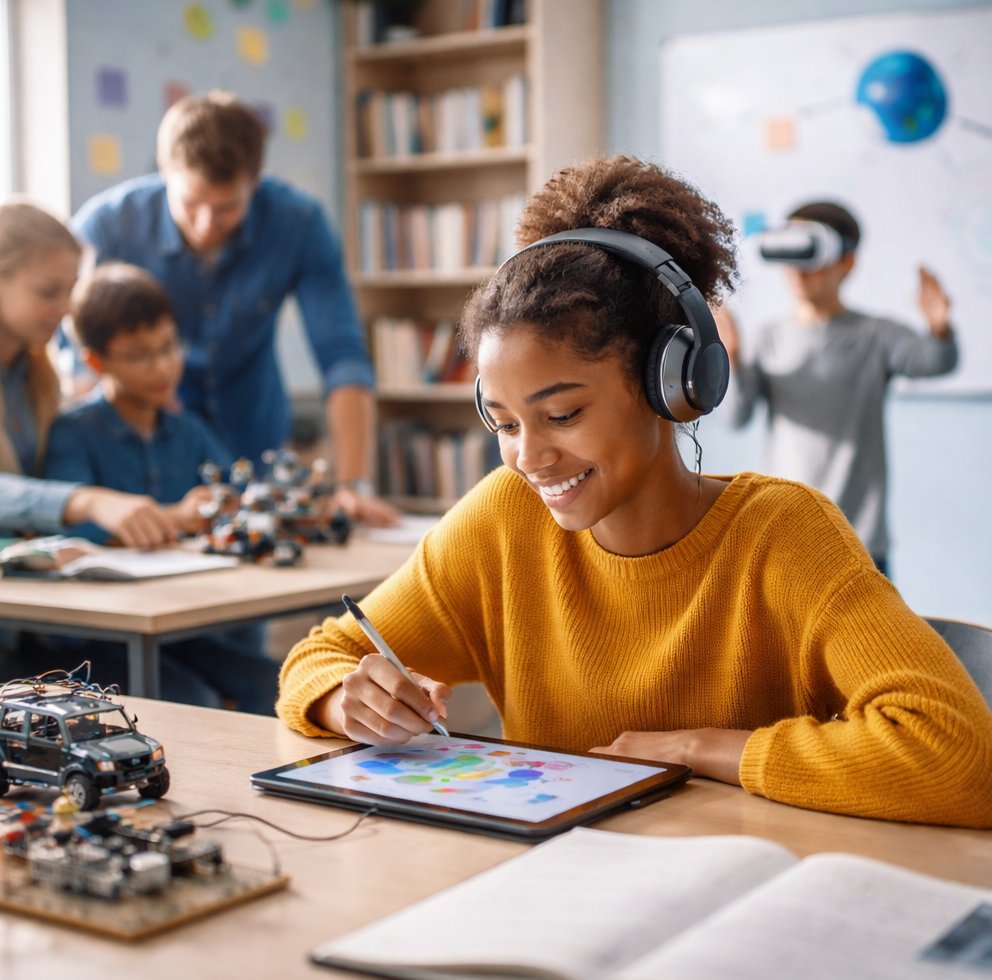
One size does not fit all in education. Personalized learning is an approach that tailors educational experiences to meet the unique needs and interests of each student. By leveraging technology, educators can provide customized learning paths that adapt to the individual’s pace, style, and preferences. This method not only boosts motivation but also ensures that each student is grasping the material in a way that makes sense to them.
Project-Based Learning
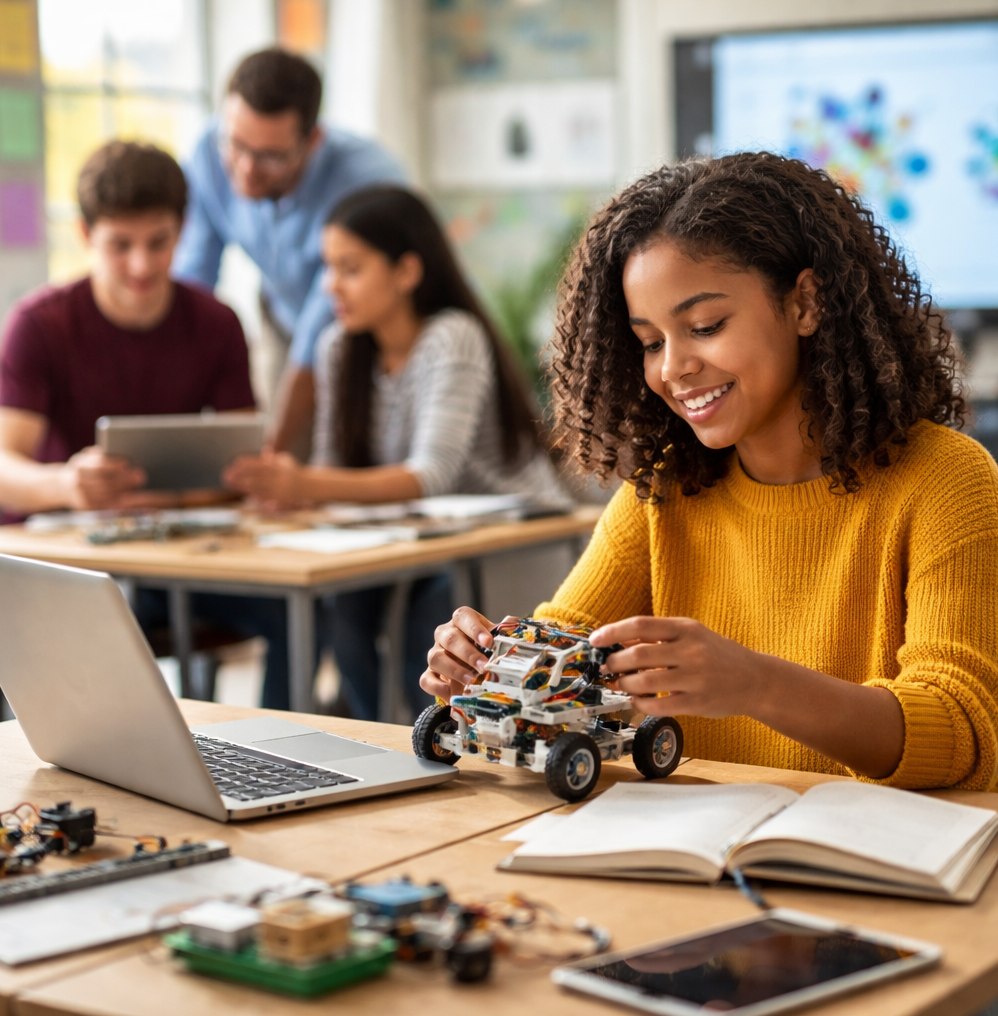
Project-based learning (PBL) is gaining traction as it allows students to learn by actively engaging in real-world and meaningful projects. Through PBL, students develop critical thinking, problem-solving, and collaborative skills, making them better prepared for the challenges of the future. A successful PBL experience involves creating projects that are relevant to the students’ lives and encourage them to explore and inquire.
Integrating STEAM Education
The integration of STEAM education—Science, Technology, Engineering, Arts, and Mathematics—encourages a holistic approach to learning. By combining these disciplines, students learn to think creatively and critically, fostering innovation. This interdisciplinary method allows students to draw connections between different areas of study, enhancing their overall understanding and application of knowledge.
Flipped Classrooms

The concept of flipped classrooms is a transformative strategy that flips the traditional educational model on its head. Instead of passively listening to lectures during class, students watch video lectures or review materials at home. Class time is then dedicated to active learning through discussions, problem-solving, and practical exercises. This approach promotes active engagement and deeper understanding of the material.
Gamification in Education
Gamification introduces game mechanics into the learning process to increase student engagement and motivation. By incorporating elements such as leaderboards, badges, and rewards, educators can make learning fun and interactive. This approach not only enhances motivation but also helps students develop resilience and perseverance as they work towards achieving their goals.
Social and Emotional Learning (SEL)
Addressing the social and emotional well-being of students is just as important as academic achievement. Social and Emotional Learning programs focus on developing skills such as self-awareness, empathy, and emotional regulation. By cultivating these skills, students are better equipped to handle stress, build positive relationships, and make informed decisions, contributing to their overall success.
Outdoor and Experiential Learning
Incorporating outdoor and experiential learning opportunities can give students a fresh perspective and make lessons more memorable. Whether through nature walks, field trips, or hands-on experiments, getting students out of the traditional classroom setting can stimulate their curiosity and encourage a deeper connection with the material.
Ultimately, innovative educational practices provide students with the tools and opportunities they need to thrive in an ever-changing world. By adopting these strategies, educators can help unlock the full potential of their students, fostering a generation of learners who are prepared for the complexities of the future.