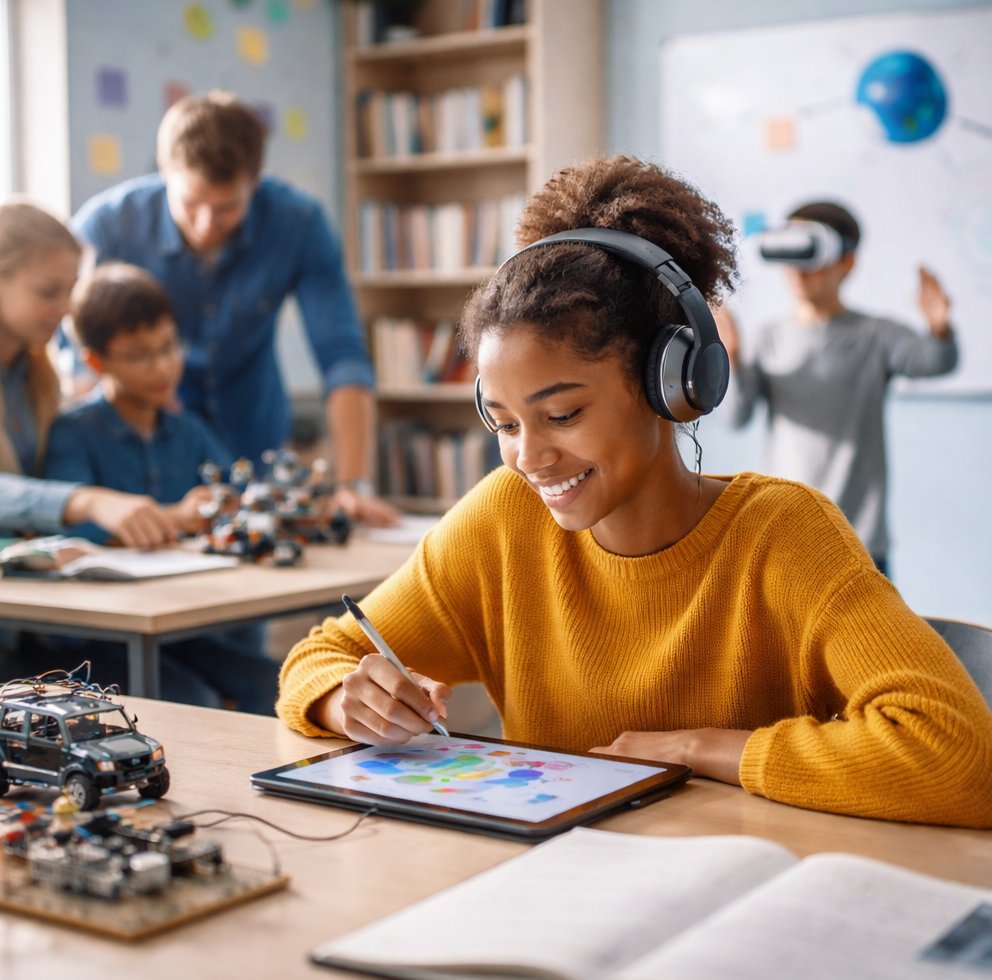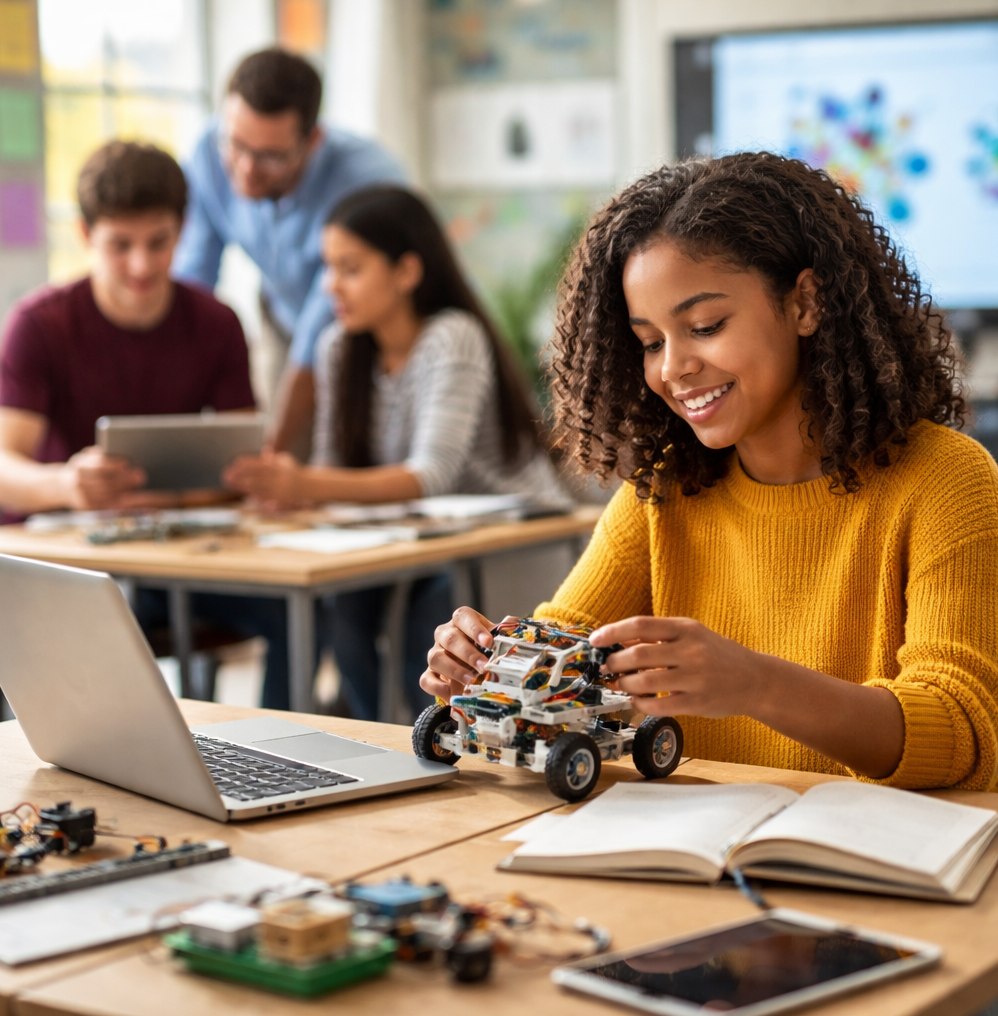
The modern educational landscape is undergoing rapid transformation as educators employ innovative strategies to unlock the potential of students. Central to this transformation is the shift toward personalized learning. This approach tailors educational experiences to individual needs, interests, and abilities, offering a more customized path for each learner.
Technology Integration
Technology plays a pivotal role in the evolution of education. Digital tools and platforms create opportunities for interactive and engaging learning experiences. For instance, gamification in education harnesses the appeal of games to motivate students. Through points, badges, and leaderboards, learning becomes a fun and challenging endeavor. This method not only increases engagement but also enhances retention by allowing students to apply concepts in simulated environments.
Flipped Classrooms
The traditional classroom dynamic is being upended by flipped classrooms. Here, students access lectures and course materials at home via videos and online content, freeing up class time for discussions and practical application of concepts. This approach empowers students to learn at their own pace while allowing educators to focus on deeper understanding and critical thinking skills during in-person interactions.
P2P Learning
Peer-to-peer (P2P) learning is gaining traction as a method to foster collaboration and mutual understanding among students. By working together on projects and problem-solving exercises, students develop communication skills and learn to appreciate diverse perspectives. Peer teaching, where students take on the role of educator to explain concepts to classmates, further reinforces knowledge and builds confidence.
Project-Based Learning
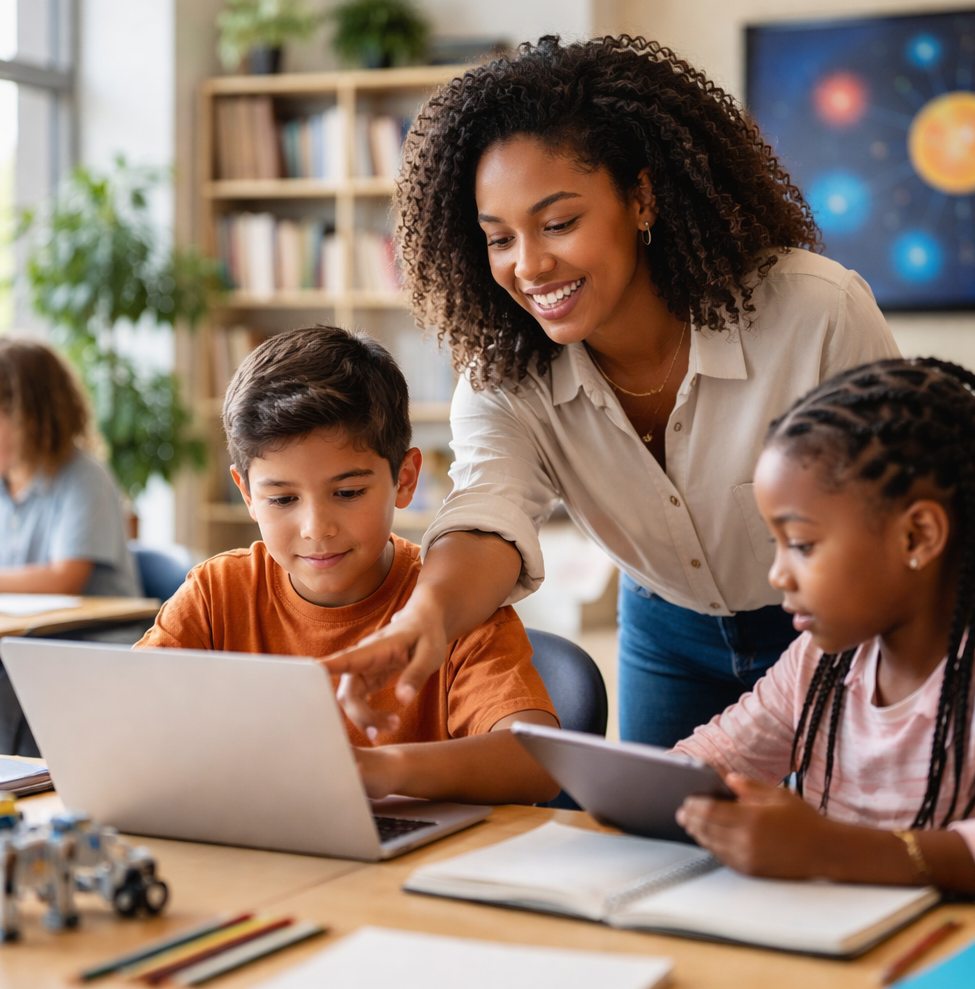
Project-based learning (PBL) emphasizes real-world relevance by engaging students in complex, meaningful projects. This strategy encourages learners to apply theoretical knowledge to solve authentic problems, often crossing disciplinary boundaries. PBL not only enhances critical thinking and creativity but also prepares students for the collaborative nature of the modern workplace.
Social and Emotional Learning (SEL)
Investing in students’ social and emotional development is equally important. SEL programs focus on building self-awareness, self-management, relationship skills, and responsible decision-making. By integrating SEL into the curriculum, schools help students develop resilience, empathy, and the ability to navigate interpersonal challenges—skills that are essential in both personal and professional life.
Inclusive Education
Inclusivity in education seeks to accommodate the diverse needs of all students. Strategies such as differentiated instruction, which adapts teaching methods to cater to different learning styles, and the use of assistive technologies ensure that every student, regardless of ability or background, has access to quality education. Embracing diversity not only enriches the learning environment but also prepares students for a globalized world.
Continuous Professional Development
Teachers are the cornerstone of any educational system, and continuous professional development is critical in keeping them up to date with innovative practices. Workshops, seminars, and online courses offer teachers the opportunity to learn new strategies and integrate cutting-edge tools in the classroom. An empowered educator is better equipped to guide students in their learning journeys.
The evolving landscape of education is a tapestry of new techniques and methodologies designed to better serve students in an increasingly dynamic world. With these game-changing strategies, the potential of every learner can be unlocked, fostering a generation prepared to tackle the complexities of tomorrow. As these innovative strategies continue to reshape education, the ultimate goal remains the same: to nurture curious, capable, and compassionate individuals ready to make a positive impact.