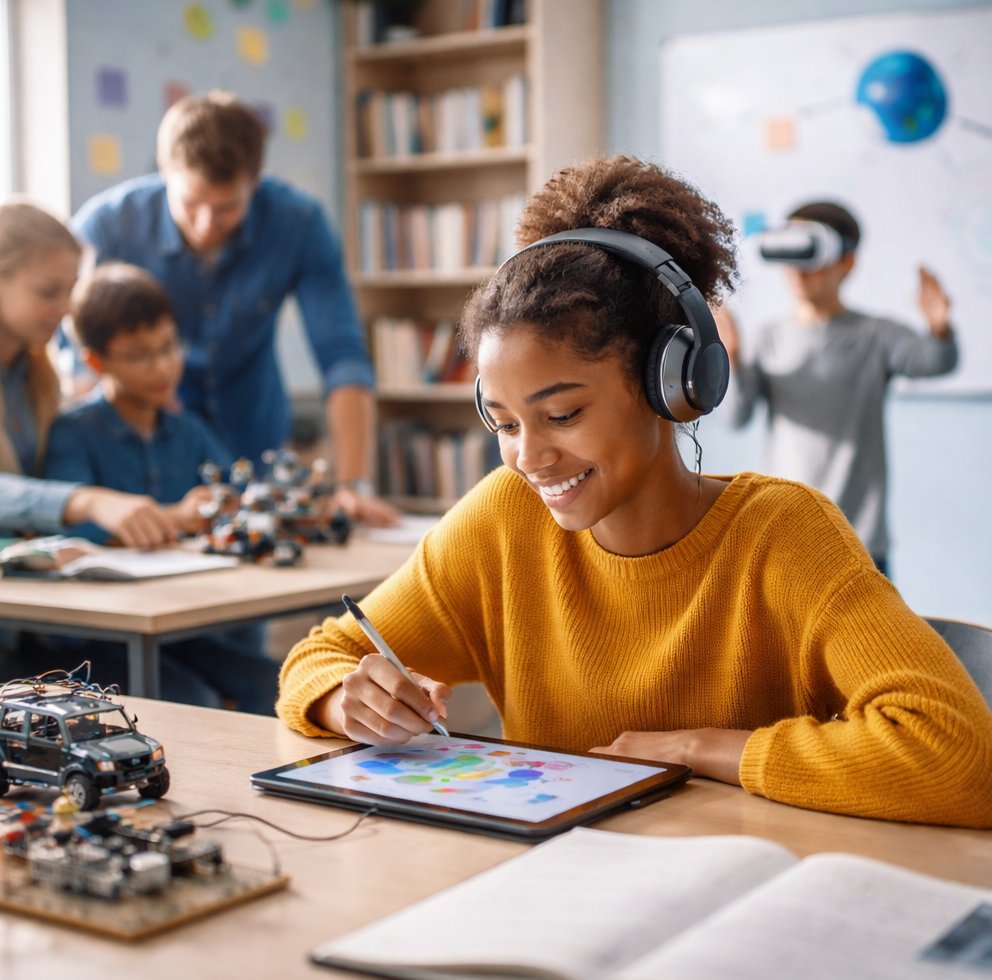
In recent years, the field of education has witnessed a significant transformation, driven by the need to adapt to the ever-evolving demands of the modern world. Traditional teaching methods are increasingly being supplemented or replaced by innovative learning techniques that make use of technology and new educational theories. One of the most notable trends in this transformation is the integration of technology in the classroom, which has opened up new possibilities for personalized and engaging learning experiences.
Flipped classrooms have become an integral part of this shift. Instead of spending class time on lectures, teachers now provide students with content to study at home, often through video lectures or online resources. This approach allows classroom time to be used more effectively for discussions, problem-solving, and application of knowledge. This method not only enhances students’ understanding of the subject matter but also encourages them to take responsibility for their learning.
Another innovative approach gaining traction is project-based learning (PBL). This technique emphasizes learning through engaging projects that solve real-world problems. PBL encourages students to apply their knowledge creatively and collaboratively, fostering critical thinking and problem-solving skills. This hands-on approach helps learners understand the relevance of what they are studying, making education more meaningful and motivating.
Gamification is also playing a crucial role in transforming education. By incorporating game elements into learning, educators are able to make the process more engaging and enjoyable for students. Gamified learning experiences can include point scoring, leaderboards, and rewards, which can increase motivation and participation. This approach can be particularly effective in subjects where students may struggle with engagement or find the material challenging.
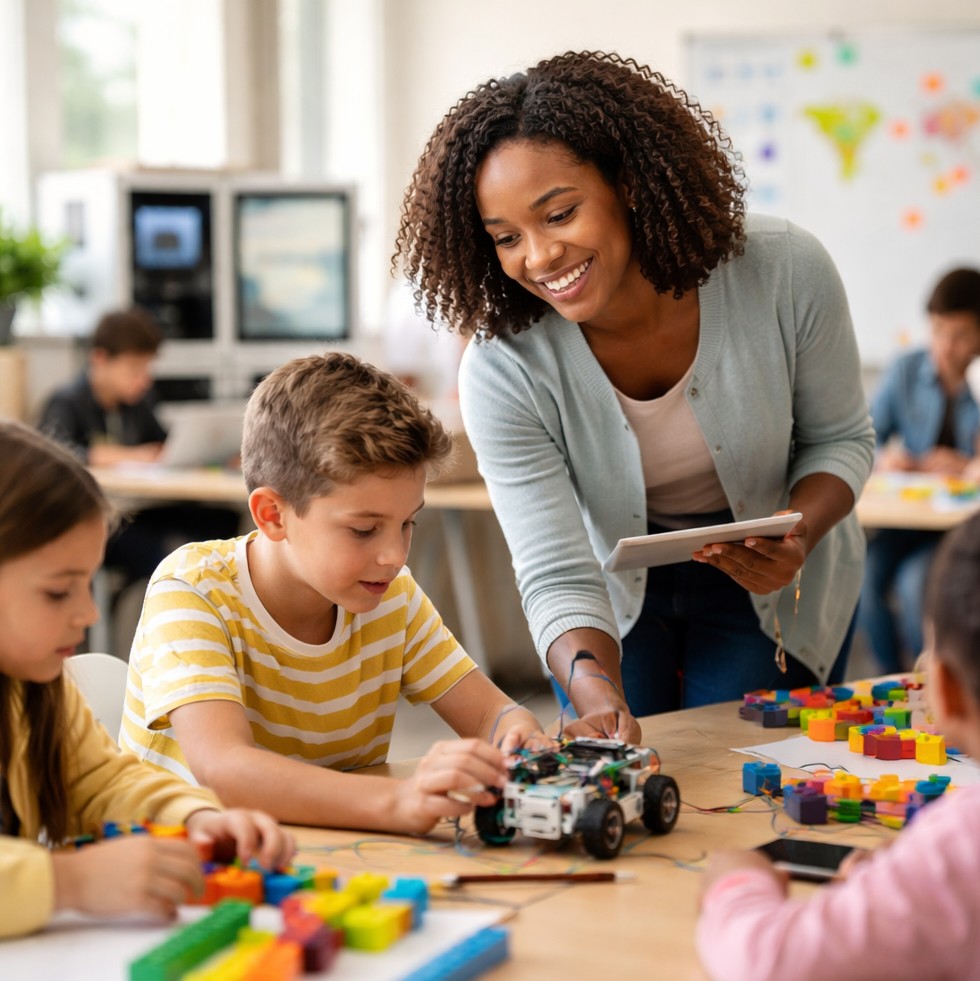
Personalized learning offers another promising avenue for educational transformation. Utilizing data and analytics, personalized learning systems can adapt to the individual needs and pace of each student. This approach ensures that students are neither bored with content that is too easy nor overwhelmed by material that is too difficult. By providing tailored learning experiences, personalized learning has the potential to improve outcomes and foster a more inclusive educational environment.
Beyond technological advancements, social and emotional learning (SEL) is becoming recognized as a crucial component of modern education. SEL focuses on developing students’ emotional intelligence, self-awareness, and interpersonal skills. By integrating SEL into the curriculum, educators aim to equip students with the tools they need to navigate social challenges and succeed both academically and personally.
Finally, the rise of online and remote learning cannot be overlooked in the discussion of educational transformation. Online platforms and tools have made education more accessible to a wider audience, breaking geographical barriers and offering flexible learning opportunities. This accessibility has proven especially valuable in times of crisis, such as during the global pandemic, when traditional schooling was disrupted.
As we move forward, the challenge remains to ensure that these innovative techniques are implemented effectively and equitably. It is essential for educators, policymakers, and stakeholders to work together to build a future where every learner can benefit from these advancements. By doing so, we can hope to create an educational landscape that is not only innovative but also inclusive and responsive to the needs of all students.